Nitazene use often begins with quiet shifts that go unnoticed. Days grow heavier as responsibilities slip and routines fall apart. Many find themselves using just to get through the day, unsure how they ended up here. The thought of stopping feels distant. Fear builds around what life might look like without it. The weight of withdrawal, judgment, and uncertainty begins to overshadow everything else. But beneath the exhaustion, there is still a need for relief that does not come at a cost. This is where recovery begins, not in perfection, but in the decision to find a different way forward.
Physical dependence can making it hard to quit safely alone
Daily structure often breaks down under the weight of use
Without medical support, the risk of relapse stays high
Many worry they won’t feel normal again without long-term care
Nitazene rehab provides the safe, structured space needed to reset physically and mentally. Through the District Behavioral Health group at California Detox, clients receive inpatient treatment guided by medical professionals and designed for high-potency opioid recovery. This setting removes the pressure of daily life and replaces it with steady support focused on long-term healing.
See more about our Nitazene Rehab program below.
Get Personalized Addiction Care at The District Behavioral Health
Our behavioral health services support men and women struggling with substance use and co-occurring mental health disorders. District Behavioral Health focuses on providing a comprehensive continuum of care, including personalized outpatient treatment, intensive outpatient (IOP) and partial hospitalization programs (PHP), and coordinated support services designed to help individuals stabilize, develop effective coping skills, and build lasting recovery within their communities.
Comprehensive Nitazene Rehab Programs and Treatment Options
Nitazenes are a dangerous class of synthetic opioids that have recently emerged in illicit drug supplies and are associated with severe addiction risk and overdose deaths. Unlike well-known opioids such as morphine or fentanyl, nitazenes were originally developed in the 1950s as experimental pain relievers but were never approved for medical use due to their extreme potency and health risks. Today, several nitrogen-containing analogs of nitazene have been detected worldwide, often mixed into other drugs without the user’s knowledge, contributing to unintentional overdose and addiction.
What Are Nitazenes?
Nitazenes are a group of powerful synthetic opioids originally developed in the 1950s as potential pain relievers but never approved for medical use. In recent years, illicit nitazene analogs such as isotonitazene have appeared in the illegal drug supply. These substances can be significantly more potent than morphine and even fentanyl, increasing the risk of overdose. Because they are often mixed with other street drugs without the user’s knowledge, nitazenes pose a serious public health threat and have been linked to rising overdose deaths in multiple countries. [1]
Understanding Nitazenes and Addiction Risk
Nitazenes are synthetic opioid receptor agonists that act on the brain’s mu-opioid receptors in ways similar to other opioids, such as heroin or fentanyl. However, they can be hundreds to thousands of times more potent than morphine and several times stronger than fentanyl, making even tiny amounts potentially lethal.
Because these drugs are unregulated and often disguised as other substances, people taking them may be unaware of what they are consuming, greatly increasing the risk of severe overdose and addiction. Novel nitazene analogs have appeared in street drug markets across North America, Europe, and Australia, contributing to rising numbers of overdoses linked to these compounds.
How Nitazenes Affect the Brain and Body
Nitazenes bind very strongly to opioid receptors in the brain, triggering the release of dopamine — a neurotransmitter associated with pain relief, pleasure, and reward. This intense activation reinforces repeated use, driving physical dependence and addiction much faster than some other opioids.
Physically, nitazenes suppress the brain’s ability to regulate breathing. Respiratory depression — slower and shallower breathing — is the most common cause of fatal opioid overdose. Other effects may include sedation, extreme drowsiness, loss of consciousness, changes in heart rate, and confusion.
Signs & Symptoms of Nitazene Use Disorder
Recognizing the signs of nitazene addiction is critical for early intervention. Symptoms can include:
Physical dependence: needing more of the drug to achieve the desired effect
Respiratory changes: slowed or labored breathing
Behavioral changes: social withdrawal, secrecy, loss of interest in responsibilities
These signs reflect opioid use disorder, a chronic condition that often requires professional treatment to overcome.
When is Professional Help Necessary?
Professional help is necessary when nitazene use becomes difficult to control, causes health problems, or leads to risky behaviors. Signs such as intense cravings, withdrawal symptoms, increasing tolerance, or repeated unsuccessful attempts to quit indicate a developing opioid use disorder. Due to the extreme potency of nitazenes, quitting without medical supervision can be dangerous and increase relapse or overdose risk. A supervised detox and structured rehab program provides medical monitoring, counseling, and long-term recovery support to improve safety and treatment outcomes.
Why Nitazene Rehab Matters?
Nitazene addiction is not merely a matter of willpower; it involves big changes in brain chemistry that make quitting extremely difficult — and dangerous if attempted without supervision. Withdrawal from potent opioids can trigger flu-like symptoms, anxiety, sleep disturbances, and intense cravings, which may lead individuals back into use if they try to quit alone.
Professional nitazene rehab programs offer medically supervised detox, counseling, behavioral therapies, and support systems designed to reduce withdrawal symptoms, treat psychological dependency, and prepare individuals for long-term recovery.
Do I Need Professional Help for Nitazene Addiction?
If you or someone you care about is using nitazenes regularly, professionally guided rehab is highly recommended for safety and effectiveness. The extreme potency of nitazenes — often mixed unpredictably with other drugs — means that detox and recovery can involve medical risks that require trained supervision. Medical detox can help manage dangerous withdrawal symptoms and reduce the risk of relapse.
What Can Happen if You Quit Nitazenes on Your Own?
Attempting to quit nitazenes “cold turkey” can be both uncomfortable and unsafe. Without medical support, withdrawal symptoms can push individuals toward relapse, increasing overdose risk — especially when tolerance has decreased, and a resumed dose becomes unexpectedly strong. In some cases, isolation, intense cravings, and psychological distress can lead to self-harm or accidental overdose.
Professional rehab not only provides medical monitoring but also offers counseling and long-term strategies to help maintain sobriety and rebuild a healthy life.
The Nitazene Rehab Process
Recovering from nitazene addiction requires a structured, medically informed approach. Because nitazenes are extremely potent synthetic opioids, treatment must address both the physical dependence and the psychological aspects of addiction. A comprehensive nitazene rehab program typically unfolds in three phases: detox and withdrawal management, behavioral therapy, and long-term support planning.
Phase I – Medical Detox & Withdrawal Management
The first step in nitazene rehab is medical detox, a supervised process designed to manage withdrawal symptoms safely. Given the high potency of nitazenes, withdrawal can be intense and uncomfortable. Attempting to quit without supervision may increase the risk of relapse or overdose.
During supervised detox, medical professionals monitor vital signs, manage symptoms, and may administer medications to ease withdrawal effects. Supportive care can include hydration, sleep support, and medications commonly used for opioid withdrawal management under medical guidance.
What to Expect During Nitazene Detox
Withdrawal from synthetic opioids like nitazenes may resemble other opioid withdrawal syndromes. Symptoms can include:
Muscle aches and body pain
Sweating and chills
Nausea, vomiting, or diarrhea
Anxiety and restlessness
Insomnia
Intense cravings
Medical supervision ensures that complications are addressed promptly and that patients remain stable and as comfortable as possible during the process.
How Long Do Nitazene Withdrawal Symptoms Last?
The duration of withdrawal can vary depending on factors such as dosage, frequency of use, overall health, and whether other substances were involved. In general, opioid withdrawal symptoms may begin within several hours to a day after the last use, peak within a few days, and gradually subside over about a week. However, psychological symptoms such as cravings, anxiety, and mood disturbances may persist longer. A structured detox program helps reduce risks and improve comfort during this period. [6]
Phase II – Behavioral Therapies
After detox, the focus shifts to addressing the psychological roots of addiction. Behavioral therapies are a core component of nitazene rehab and help individuals develop coping strategies, manage triggers, and prevent relapse.
Cognitive Behavioral Therapy (CBT) helps individuals identify and change harmful thought patterns related to drug use. Dialectical Behavior Therapy (DBT) emphasizes emotional regulation, stress tolerance, and healthy interpersonal skills. Motivational Enhancement Therapy (MET) strengthens a person’s internal motivation to commit to recovery.
Role of Counseling in Nitazene Rehab
Individual counseling provides a safe space to explore underlying issues such as trauma, stress, or co-occurring mental health conditions. Since addiction often intersects with anxiety, depression, or PTSD, integrated counseling can improve long-term outcomes. Licensed therapists work with patients to build relapse prevention strategies and create realistic recovery goals.
Phase III – Peer Support & Accountability
Long-term recovery is strengthened through connection and accountability.
Group therapy allows individuals to share experiences, gain insight from peers, and reduce feelings of isolation. Hearing others’ stories can foster hope and normalize the challenges of recovery.
Family support plays an important role in rebuilding trust and strengthening communication. Family therapy sessions may address enabling behaviors, boundaries, and emotional healing.
Aftercare planning ensures continued support after formal treatment ends. This may include outpatient counseling, support groups, sober living arrangements, or medication-assisted treatment when appropriate. Structured aftercare reduces relapse risk and promotes stability.
Types of Nitazene Treatment Programs
Not all treatment programs are the same. The right level of care depends on addiction severity, medical needs, and personal circumstances.
Inpatient vs Outpatient Nitazene Rehab
Inpatient rehab involves living at a treatment facility for a period of time. It provides 24/7 medical monitoring, structured therapy sessions, and a drug-free environment. This level of care is often recommended for severe addiction or individuals at high risk of relapse.
Outpatient rehab allows individuals to live at home while attending scheduled therapy sessions. It offers flexibility and may be appropriate for those with milder addiction or strong support systems.
Benefits & Differences: Inpatient programs provide intensive supervision and structure, while outpatient programs offer flexibility and lower disruption to daily life. Clinical assessment helps determine the safest and most effective option.
Partial Hospitalization Programs (PHP)
A Partial Hospitalization Program (PHP) offers intensive treatment during the day while allowing individuals to return home at night. PHP serves as a middle ground between inpatient and outpatient care, delivering structured therapy and medical oversight without full residential admission.
Does Insurance Cover Nitazene Rehab?
Many insurance plans cover substance use disorder treatment under mental health parity laws. Coverage may include detox services, inpatient care, outpatient therapy, and medication-assisted treatment. However, the extent of coverage depends on the specific policy, provider group, and medical necessity criteria. Verifying benefits with the insurance provider or treatment center is recommended before admission.
The Science Behind Recovery
Understanding the science of addiction helps explain why recovery from nitazenes requires structured treatment and ongoing support. Nitazenes are powerful synthetic opioids that significantly affect the brain’s reward system. Recovery is not simply about willpower—it involves healing changes in brain chemistry, stress responses, and behavior patterns.
Neurobiology of Addiction & Healing
Nitazenes activate the brain’s mu-opioid receptors, triggering a surge of dopamine in the reward pathway. Dopamine reinforces behaviors that the brain perceives as pleasurable or relieving. Over time, repeated opioid exposure alters this system, reducing the brain’s natural ability to produce and regulate dopamine. This leads to tolerance (needing more of the substance for the same effect) and dependence.
Chronic opioid use also affects areas of the brain responsible for decision-making, impulse control, and stress regulation. These changes explain why individuals may continue using despite harmful consequences.
The good news is that the brain can heal through a process called neuroplasticity. With sustained abstinence and therapeutic intervention, neural pathways can gradually rebalance. Behavioral therapy, medication-assisted treatment (when appropriate), and supportive environments promote this healing process and strengthen healthier coping mechanisms. [2]
Dual Diagnosis in Nitazene Treatment
Many individuals struggling with nitazene addiction also experience co-occurring mental health conditions, such as depression, anxiety disorders, post-traumatic stress disorder (PTSD), or bipolar disorder. This is known as a dual diagnosis.
Substance use may begin as a way to self-medicate emotional pain or psychological distress. Over time, however, opioid use can worsen mental health symptoms, creating a cycle that is difficult to break without professional intervention. [5]
Co-Occurring Disorders & Integrated Care
Integrated care is essential in nitazene treatment. This approach addresses both substance use and mental health disorders simultaneously rather than treating them separately. Licensed clinicians may combine medication management, psychotherapy, and structured support programs tailored to the individual’s needs.
Treating only the addiction without addressing underlying depression or trauma may increase relapse risk. Likewise, treating mental health symptoms without addressing opioid dependence leaves the addiction unchallenged. Comprehensive care improves outcomes by stabilizing both conditions.
Withdrawal from potent opioids like nitazenes can be physically and emotionally challenging. When the drug is removed, the brain’s altered reward system struggles to regulate dopamine and stress hormones. This imbalance can cause intense cravings, irritability, anxiety, and sleep disturbances.
Opioids also suppress certain stress pathways during use. Once discontinued, the body may experience a rebound effect, leading to restlessness, mood swings, and insomnia. Cravings are not just psychological—they are rooted in neurochemical changes. Understanding this biological basis helps reduce stigma and emphasizes the importance of medical supervision and therapy during recovery. [3]
Life After Nitazene Rehab
Completing rehab is a major achievement, but recovery is an ongoing process. Long-term sobriety requires continued effort, structure, and support.
Relapse Prevention and Coping Skills
Relapse prevention planning is a central part of post-rehab care. Individuals learn to identify triggers, such as stress, certain environments, or social pressures, that may increase the risk of relapse.
Healthy coping strategies might include mindfulness techniques, exercise, structured routines, journaling, and participation in recovery groups. Cognitive-behavioral tools help individuals challenge distorted thinking patterns that may lead to relapse. Developing strong stress management skills is particularly important because stress is a common relapse trigger.
Medication-assisted treatment (MAT), when recommended by a healthcare provider, may also support long-term stability by reducing cravings and lowering overdose risk.
Aftercare, Sober Living, & Long-Term Support
Aftercare programs provide continued therapy, check-ins, and peer support after formal rehab ends. Outpatient counseling sessions, alumni programs, and community recovery groups help maintain accountability.
Sober living homes can offer structured, substance-free environments for individuals transitioning back into daily life. These residences emphasize responsibility, employment, and community participation while reinforcing sobriety.
Long-term support reduces isolation and provides consistent reinforcement of recovery goals. Addiction is a chronic condition for many individuals, and ongoing engagement significantly improves the likelihood of sustained recovery. [4]
Benefits of Staying Sober from Nitazenes
Maintaining sobriety from nitazenes brings both immediate and long-term benefits. Physically, individuals may experience improved sleep, stabilized mood, better respiratory function, and enhanced overall health. Mentally, cognitive clarity and emotional stability often improve over time.
Socially, sobriety can help rebuild relationships, restore trust, and strengthen family connections. Financial stability may also improve as substance-related expenses decrease.
Most importantly, staying sober reduces the risk of overdose—a critical concern given the extreme potency of nitazenes. Long-term recovery allows individuals to regain control, pursue personal goals, and rebuild a meaningful, healthy life.
FAQs
What are nitazenes, and why are they dangerous?
Nitazenes are highly potent synthetic opioids not approved for medical use. They are dangerous due to extreme overdose risk, respiratory depression, and their presence in illicit drug supplies.
What are the symptoms of nitazene withdrawal?
Withdrawal symptoms include muscle aches, nausea, sweating, anxiety, insomnia, irritability, and strong cravings. Symptoms can be intense and increase relapse risk without medical supervision.
How long does a nitazene rehab program last?
Nitazene rehab may last 30 to 90 days or longer, depending on addiction severity. Detox typically takes several days, followed by therapy and ongoing support.
Do I need professional treatment for nitazene addiction?
Yes. Due to their extreme potency and overdose risk, professional treatment provides medical detox, therapy, and relapse prevention support for safer, long-term recovery.
Does insurance cover nitazene rehab?
Many insurance plans cover addiction treatment, including detox and rehab. Coverage depends on the provider, policy details, and medical necessity requirements.
What happens if I quit nitazenes without help?
Quitting alone can cause severe withdrawal symptoms and increase relapse risk. Reduced tolerance after stopping also raises the danger of accidental overdose.
Get Treatment for Nitazene Addiction at District Behavioral Health
Nitazenes are among the most dangerous synthetic opioids today — but recovery is possible with the right support. At District Behavioral Health, we are a nationwide association of addiction and mental health treatment centers that connects you to world-class care from coast to coast.
For over a decade, we’ve helped clients across the country reclaim their lives through comprehensive, evidence-based programs and thriving recovery communities. From medically supervised detox and residential care to flexible outpatient programs, our compassionate team of licensed experts will build a personalized treatment plan tailored to your unique journey.
Our comprehensive programming includes:
Medication-Assisted Detox: Medically supervised withdrawal management designed to reduce discomfort, stabilize health, and lower relapse risk.
Crisis Intervention & Stabilization: Immediate clinical support to ensure safety during acute withdrawal, overdose risk, or emotional distress.
Inpatient & Residential Programs: 24/7 structured care in a safe, supportive environment with medical monitoring and intensive therapy.
Partial Hospitalization Programs (PHP): Full-day, structured treatment offering comprehensive therapy while allowing patients to return home in the evenings.
Intensive Outpatient Programs (IOP): Flexible, structured treatment options that allow individuals to continue working or attending school while receiving high-level care.
Outpatient Programs (OP): Ongoing counseling, relapse prevention, and recovery support to maintain long-term sobriety.
Founded by people in recovery, we understand what it takes to heal — and we’re here to walk alongside you every step of the way. If you or a loved one is struggling with nitazene addiction, call us today at (561) 919-6792 — our admissions team is available 24/7 to guide you toward the care you deserve.
The team at Gratitude Lodge truly saved my life. I felt seen, heard, and cared for in every step of my recovery. I’m finally living a life of peace and purpose.
Mathew
Senior Doctor
Watching my loved one thrive after treatment at Alliance Recovery was life-changing. The team’s dedication to her healing was beyond anything I could have imagined.
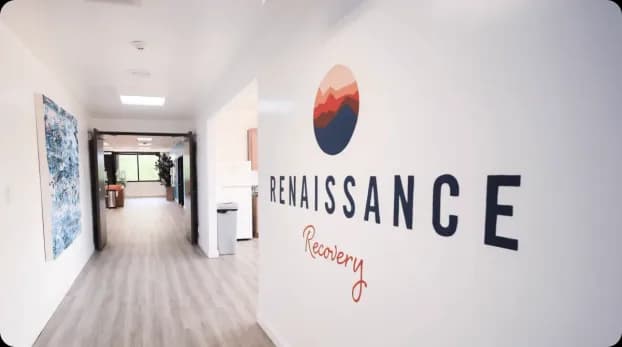
We strive to provide a comfortable, home-like environment during your recovery journey. Browse our facility images below to take a look at our upscale residential facilities.
Whether you’re seeking help for yourself or a loved one, our admissions team is available 24/7 to answer your questions and guide you toward the right care.